Healing & Wholeness
Healing & Wholeness
By Angela Draper on Friday, August 7th, 2026 in Angela Draper Acupuncture No Comments
If you’re an athlete dealing with a sports injury like recurring muscle tightness or tendon pain, dry needling for sports injuries may help.
Dr. Angela Draper combines dry needling with sports and orthopedic acupuncture to reduce pain, heal tissue, and improve movement. Rather than simply chasing tight muscles, she identifies why the tissue is irritated and helps build a body that can better tolerate the demands of training.
We believe the goal isn’t just pain relief — it’s better movement, better training, and better athletic performance.
Something feels tight, irritated, stuck, or even painful.
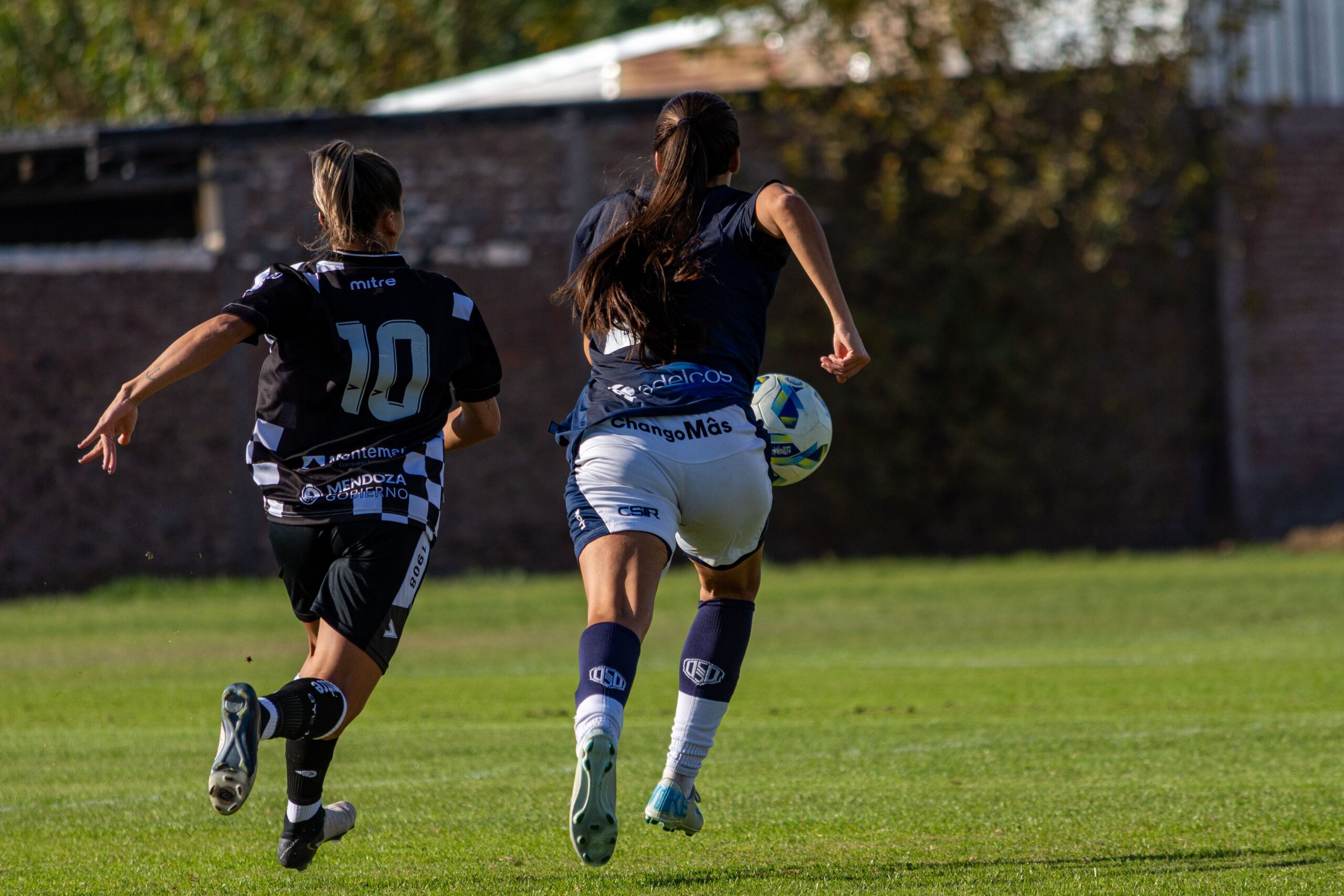
A runner’s calf won’t relax. A lifter’s shoulder is constantly guarded. A cyclist’s hip or low back tightness keeps returning. A tennis or pickleball player’s forearm pain improves temporarily, then flares again with gripping. As most athletes can attest, the repetitive strain of their sport can sometimes lead to tightness and injury. The effected area can feel:
Dry needling is an amazing tool to help reduce pain and muscle guarding – while acupuncture can further stimulate recovery from injury. For sports injuries, we find these work best as part of a comprehensive treatment plan.
Dr. Draper performs dry needling techniques at Peak Form Health Center in San Diego, a practice she works closely with for their expert training, rehabilitation, and chiropractic care. With her sports and orthopedic acupuncture focus, she’s able to better address the cause of irritated tissue, assess movement demands and help athletes build resilience for sustained athletic performance.
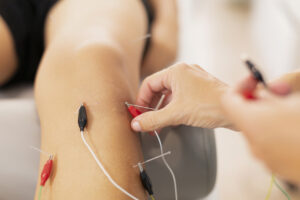 Dry needling uses a thin, solid acupuncture needle to stimulate muscles, connective tissue, trigger points, or motor points. It’s called “dry” because nothing is injected into the body. Treatment is designed to reduce pain and trigger point sensitivity and improve local blood flow. Motor point acupuncture – a type of dry needling – targets the area of a muscle where the nerve enters and communicates with the muscle fibers. Stimulating motor points can help change muscle tone, improve activation, reduce protective guarding, and restore better movement. Motor point acupuncture is not just about loosening a tight muscle. It is about helping the nervous system and muscle communicate more effectively. For a deeper look at dry needling in relation to acupuncture, check out our previous blog on the subject.
Muscle tightness is not random. It’s often a response to a recent increase in training load, poor recovery, repetitive overuse, weakness in a related area, or protective guarding after pain. That’s why stretching alone often doesn’t solve the problem — the muscle isn’t just short, it’s trying to protect you.
For athletes, dry needling may help by reducing trigger point sensitivity, decreasing protective guarding, improving blood flow and range of motion, and helping an inhibited muscle activate more normally – creating a window for better movement. Sports and orthopedic acupuncture look beyond the injury itself, asking why the tissue became overloaded, weakened or injured in the first place. If the underlying cause of guarding is still present, the tightness may return.
Dry needling and sports acupuncture may be used as part of treatment for many sports-related pain patterns, and athletic injuries including:
The key is matching treatment to the person — two athletes with the same diagnosis may need very different plans.
Dry needling can be valuable, but it isn’t a magic fix. If an athlete feels better after needling but returns immediately to the same training load, mechanics, and strength limitations, the problem often comes back. That’s why we encourage it as one part of a complete plan:
The treatment calms the system and addresses underlying physical imbalances. Rehab restores healthy movement and builds the load tolerance that protects athletic performance over the long term.
Most people feel a small prick or pressure as the needle is inserted, and a brief twitch or cramp-like sensation when a trigger point or motor point is stimulated. This is a normal response that’s often a sign the muscle is releasing tension. Dr. Draper frequently uses electrical stimulation on these points to increase efficacy. It’s common to feel sore or heavy for 24 to 48 hours afterward, like a deep tissue massage or intense workout. Good nutrition, hydration, and sleep are recommended.
How soon you can train again depends on the person, the area treated, and session intensity. Some athletes do light training the same day; others benefit from an easier day before resuming harder training. A good rule of thumb: don’t judge the treatment only by how you feel immediately afterward, and save max-effort lifting, hard intervals, or competition for a day when soreness has settled – at least 24 hours.
Every visit begins with understanding your sport, symptoms, recent training, and performance goals. From there, Dr. Angela Draper develops an individualized treatment plan that may include orthopedic acupuncture, dry and motor point needling, and other therapies based on your needs.
Dr. Angela Draper brings 15 years of specialized experience in sports medicine and orthopedic acupuncture, blending motor point needling with traditional acupuncture and soft tissue therapies. She works closely with her colleagues at Peak Form Health Center for rehab, strength training, chiropractic treatment, Active Release Technique, and return-to-sport planning when appropriate. Our goal is to help you get back to training, competing, and performing at your best.
Dry needling can be an effective treatment for athletes with sports injuries involving muscle guarding, trigger points, and movement limitations. When combined with sports and orthopedic acupuncture, rehabilitation, and progressive strength training, it helps athletes move better, recover more efficiently, and reduce the risk of recurring pain.
If you’re looking for dry needling in San Diego, Dr. Angela Draper provides individualized treatment designed to support long-term recovery and athletic performance.
Schedule a consultation with Dr. Angela Draper to learn how sports acupuncture can support your recovery and athletic performance.
References
Chaabna K, Jithesh A, Cheema J, Aboughanem J, Mamtani R. Western Medical Acupuncture Techniques for Pain Management in Athletes: A Systematic Review and Meta-Analysis. Front Med (Lausanne). 2026;13:1737602.
Kużdżał A, Trybulski R, Muracki J, Klich S, Clemente FM, Kawczyński A. Dry Needling in Sports and Sport Recovery: A Systematic Review with an Evidence Gap Map. Sports Med. 2025;55(4):811–844.